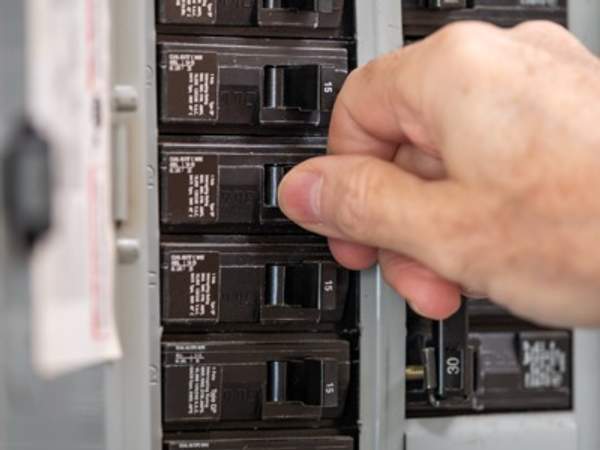
Understanding the complex world of electrical panels can seem daunting for homeowners and property buyers. Electrical panels, often referred to as breaker boxes, are the heart of a home’s electrical system. Properly navigating and interpreting these panels is crucial for ensuring safety and efficiency. This guide explores the intricacies of electrical panels, offering insights into their hidden language and underscoring the importance of professional home inspections.
Understanding Electrical Panel Components
Electrical panels are composed of several key components, each playing a vital role in distributing electricity throughout a property. A typical panel includes:
- Main Breaker: Controls the flow of electricity from the utility to the internal circuits.
- Individual Circuit Breakers: Protect wires from overheating by interrupting the flow of electricity if the current exceeds safe levels.
- Bus Bars: Conduct electricity from the main breaker to the individual circuit breakers.
- Neutral and Ground Bars: Provide pathways for neutral and ground wires, respectively, ensuring safe electrical flow.
Understanding these components helps in identifying potential issues such as overloaded circuits or improper wiring, which can lead to hazards.
Interpreting Electrical Panel Labels
Proper labeling within an electrical panel is essential for efficient operation and emergency response. Professional inspectors emphasize the importance of clear, accurate labeling, which should include:
- Identifying the function of each circuit (e.g., kitchen outlets, HVAC system).
- Ensuring labels are legible and updated following any electrical modifications.
Compliance with local electrical codes and standards often requires this level of organization, contributing to safer home environments.
Best Practices for Electrical Panel Maintenance
Regular maintenance of electrical panels can prevent costly repairs and enhance safety. Industry best practices recommend homeowners:
- Schedule routine inspections by certified professionals to assess panel condition and functionality.
- Ensure the area around the panel is accessible and free from obstructions.
- Keep panels dry and clean, avoiding exposure to moisture or debris.
These practices help in early detection of issues, prolonging the lifespan of the electrical system.
In conclusion, understanding and maintaining electrical panels is crucial for home safety. While homeowners can perform basic checks, professional home inspection services provide comprehensive evaluations, ensuring peace of mind and compliance with safety standards. Engaging with professional inspectors ensures the electrical system operates efficiently and safely, protecting both the property and its occupants.